
Practical, prioritized findings
We separate urgent leak and safety concerns from maintenance items, so you know what to address first and what can wait.
Serving Calgary, Alberta & surrounding areas
24/7 Emergency Response
Get a clear, code-aware review of your home's plumbing with practical findings, photos, and next-step recommendations you can act on.
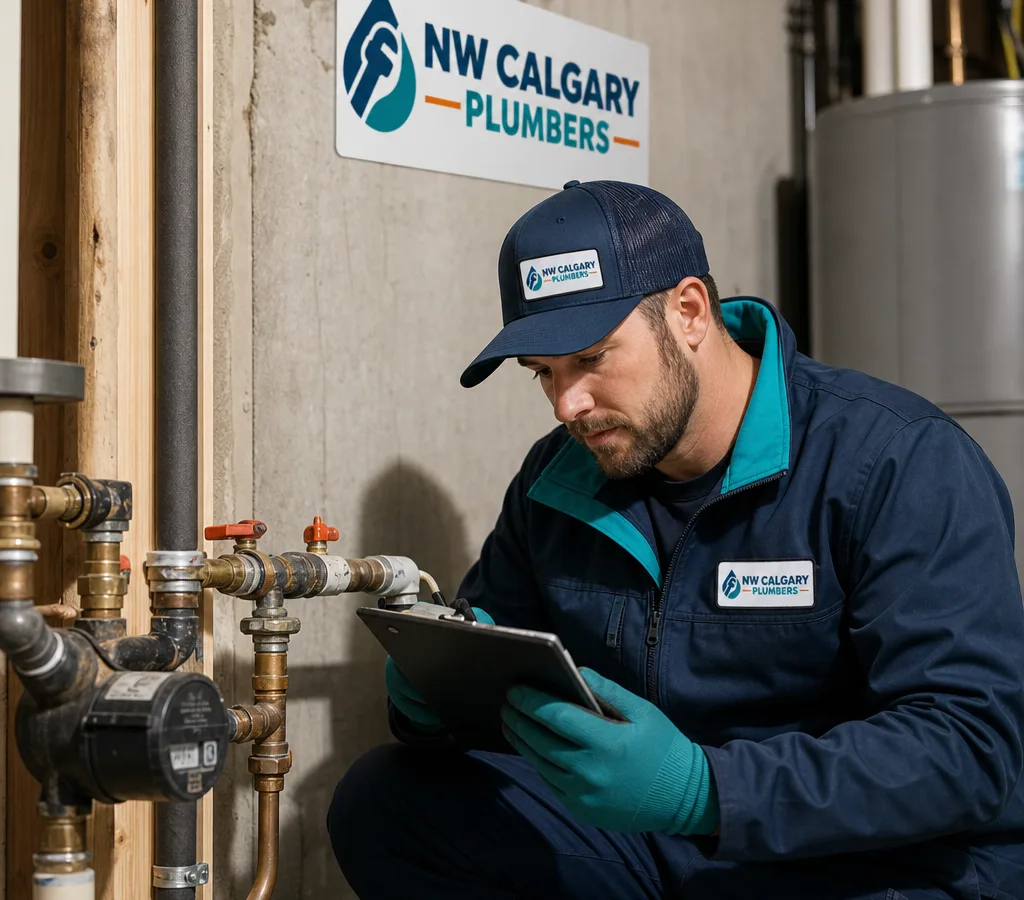
A plumbing inspection in Calgary is a systematic check of the visible and accessible parts of your home's water supply and drainage systems, plus key fixtures and safety-related items. The goal is to spot leaks, corrosion, poor workmanship, missing shutoffs, venting concerns, and early warning signs before they turn into damage.
A standard inspection is non-destructive. That means we do not open walls or excavate. We focus on what can be verified safely: water pressure behavior, fixture operation, exposed piping, drain performance, and obvious red flags at points of failure.
You will typically want an inspection when you are buying or selling, after a renovation, when you are seeing staining or odors, or when an older home has unknown upgrades. NW Calgary Plumbers can move from inspection findings to a written repair scope when you are ready.
Every home is different, but most plumbing inspections follow the same core checkpoints so nothing important gets missed.
In many Calgary homes, the most useful result is a short list of small issues that add up: a sluggish shutoff, a weeping compression fitting, an incorrectly assembled trap, or early rusting on older piping.
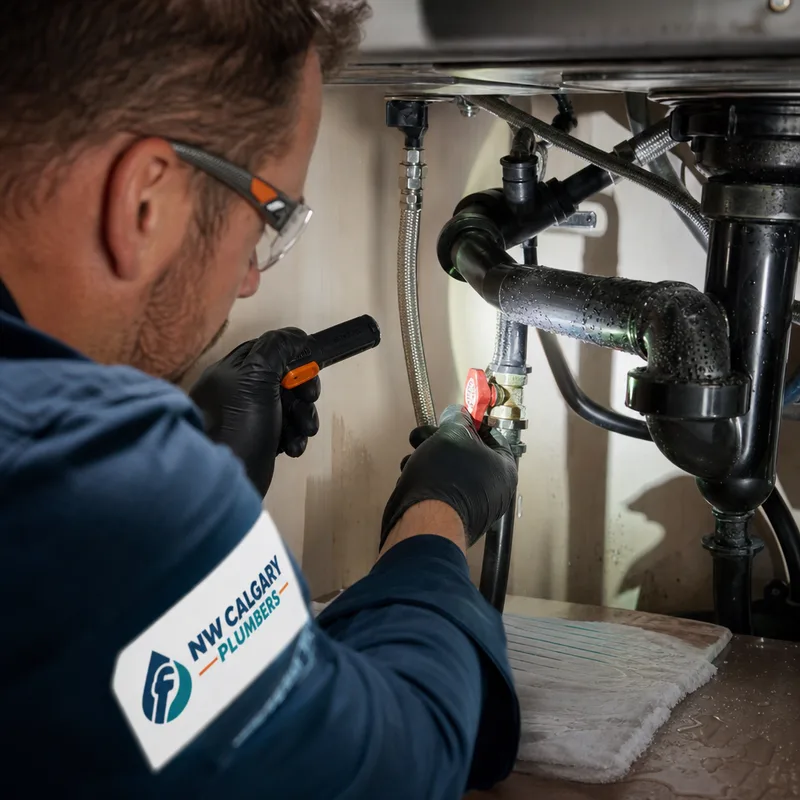
We separate urgent leak and safety concerns from maintenance items, so you know what to address first and what can wait.
You get straightforward notes and photo support where it helps, which is useful for planning repairs or sharing with a realtor or buyer.
We flag common workmanship and venting issues that often show up in renovations, basement developments, and fixture swaps.
Shutoffs, supply connections, under-sink cabinets, toilet bases, and utility areas are where small leaks commonly turn into flooring and drywall damage.
If repairs are needed, we explain options based on access, pipe material, and what a durable fix looks like, not just the quickest patch.
A plumbing inspection is most valuable when it reflects how homes were built and updated across Calgary.
In established neighbourhoods with older housing stock like Bowness and Renfrew, we often spend extra time confirming what has been upgraded versus what is still original, especially in basements and utility rooms where multiple generations of repairs can overlap.
In newer areas such as Evanston and Nolan Hill, the inspection focus is often on workmanship and finishing details: fixture connections, support and strapping, and whether shutoffs and access points were left usable after drywall and cabinetry went in.
In communities like Tuscany, many homes have finished basements or complex mechanical layouts, so we pay close attention to accessible junctions, laundry areas, and any visible manifold or branch connections. The inspection is still non-destructive, but careful observation in these utility spaces often reveals early signs of leakage.
Calgary's seasonal temperature swings also change risk. In colder months, any piping near exterior walls or in poorly heated areas deserves extra attention for freeze-risk indicators, previous repairs, and drafts. If you have had a freeze-up before, tell us. It changes what we look for and what we recommend.
We confirm access points (utility room, under-sinks, mechanical spaces) and any symptoms you have noticed: odors, slow drains, staining, or pressure changes.
We run fixtures, observe drainage, check visible piping and shutoffs, and look for moisture, corrosion, and venting-related clues in accessible areas.
We walk you through what we saw, what matters now, and what is simply maintenance. You can ask questions while we are still on site.
You receive a clear summary of concerns and recommended actions. If you want repairs quoted, we can turn inspection notes into a written scope.
A plumbing inspection in Calgary typically ranges from about $175 to $450+, depending on the size of the home, how many fixtures are being checked, and how accessible the piping is. A condo or small townhouse inspection is often at the lower end, while a larger detached home with multiple bathrooms and a finished basement tends to be higher.
Price changes most with time on site, number of bathrooms and wet areas, and whether the utility room and under-sink areas are clear to access. The exact cost is confirmed when we book and again on site once the inspection scope is verified.
“The inspection was straightforward and thorough. We got a short list of issues to fix before closing, plus photos that made it easy to explain to the seller.”
“They found a slow leak under a vanity that we hadn't noticed yet. The report was clear, and the recommendations were practical instead of scary.”
“What I appreciated most was the prioritization. They explained what needed attention now and what was just routine maintenance.”
Most plumbing inspections take about 60 to 150 minutes, depending on the home size, number of bathrooms, and how accessible shutoffs, under-sink cabinets, and the mechanical area are. If the basement is finished and access points are limited, we may need more time to confirm what can be verified without opening walls.
Not automatically. A standard plumbing inspection focuses on visible and accessible plumbing and functional drain checks; a sewer camera inspection is a separate scope used when there are symptoms like recurring backups, persistent slow drains, or you want targeted information about the building drain.
The most common red flags are active or recent leaking at supply connections, corrosion on visible piping, traps assembled incorrectly under sinks, weak or non-functioning shutoff valves, and signs of moisture damage around toilets and vanities. We also pay attention to venting clues that can contribute to slow drains or sewer odors.
It is best if an adult is present so we can review findings on site and confirm any history like past freeze-ups or renovations. If access can be arranged to the utility room, under-sink areas, and all bathrooms, we can sometimes complete the inspection without you there, then review the results afterward.
Yes. We provide a clear written summary of what was inspected, what was found, and what we recommend next, with photos where they help document the concern. That format works well for purchase decisions and for negotiating repairs.
Clear access to under-sink cabinets, the water heater area, and the main shutoff if you know where it is. If you have had intermittent issues, note which fixture, when it happens, and what you observe—odor, gurgling, slow drainage, or staining—because those details help us target checks efficiently.
If you are buying, selling, or troubleshooting a concern, we will inspect what can be verified safely, explain what it means, and leave you with a plan you can act on.